
Arterial Disease
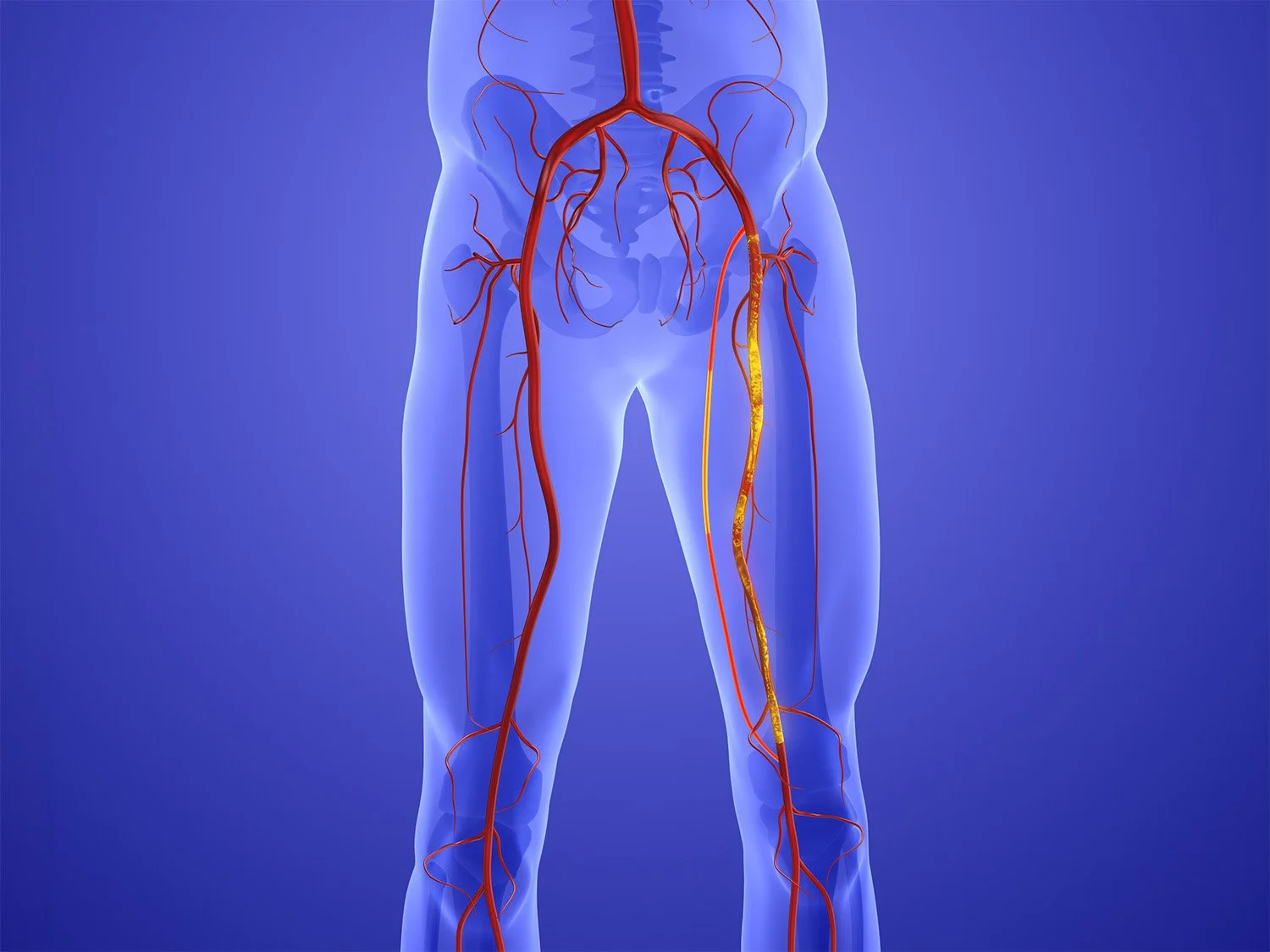
Arterial disease refers to conditions that affect the arteries, the blood vessels responsible for carrying oxygen-rich blood from the heart to the rest of the body. When arteries become narrowed, blocked, weakened, or damaged, blood flow can be reduced, leading to pain, tissue injury, or serious complications if left untreated.
Mr Osman diagnoses and treats a wide range of arterial conditions, including peripheral arterial disease (PAD), carotid artery disease, aneurysms, aortic disease, renal and mesenteric artery disease, and acute or chronic arterial blockages. Mr Osman will discuss all appropriate treatment options with you, which may include lifestyle modification, medication, and—when necessary—minimally invasive endovascular procedures or surgery.
Recommendations are tailored to each individual based on the specific condition, its severity, and your overall health. The focus is always on improving blood flow, relieving symptoms, and reducing the risk of serious complications such as stroke or limb loss.
Arterial Conditions
-
An aortic aneurysm is an abnormal enlargement of the aorta, the body’s main artery. It weakens the vessel wall and may go unnoticed until serious complications occur.
Dr. Osman will carefully evaluate your condition and discuss monitoring or treatment options tailored to you.
-
An aortic dissection is a tear in the inner layer of the aorta. It can cause sudden, severe chest or back pain and is a medical emergency.
Dr. Osman will ensure prompt diagnosis and recommend the safest, individualized treatment plan.
-
Carotid disease occurs when the arteries supplying blood to the brain become narrowed or blocked. This increases the risk of stroke.
Dr. Osman will review your symptoms, imaging results, and discuss management options to best protect your brain health.
-
Dialysis access refers to surgically created connections between veins and arteries to allow safe and effective blood filtration.
Dr. Osman will evaluate your needs, plan the most suitable access, and monitor it to ensure long-term function and safety.
-
PAD occurs when arteries in the limbs become narrowed or blocked, reducing blood flow. This can cause leg pain or non-healing wounds.
Dr. Osman will assess your circulation and discuss lifestyle, medication, or procedural options to improve your symptoms and mobility.
-
Arterial ulcers and non-healing wounds develop when reduced blood flow prevents normal healing. They can be painful and prone to infection.
Dr. Osman will carefully investigate the cause and create a personalized plan to promote healing and prevent complications.
-
Popliteal entrapment syndrome occurs when muscles or tendons compress the artery behind the knee, reducing blood flow to the lower leg and foot.
Dr. Osman will evaluate your symptoms, perform imaging as needed, and discuss personalized treatment options to restore circulation.
-
Thoracic outlet syndrome occurs when blood vessels or nerves are compressed between the collarbone and first rib, potentially reducing blood flow to the arm.
Dr. Osman will carefully assess your symptoms, order imaging if needed, and discuss individualized management options.